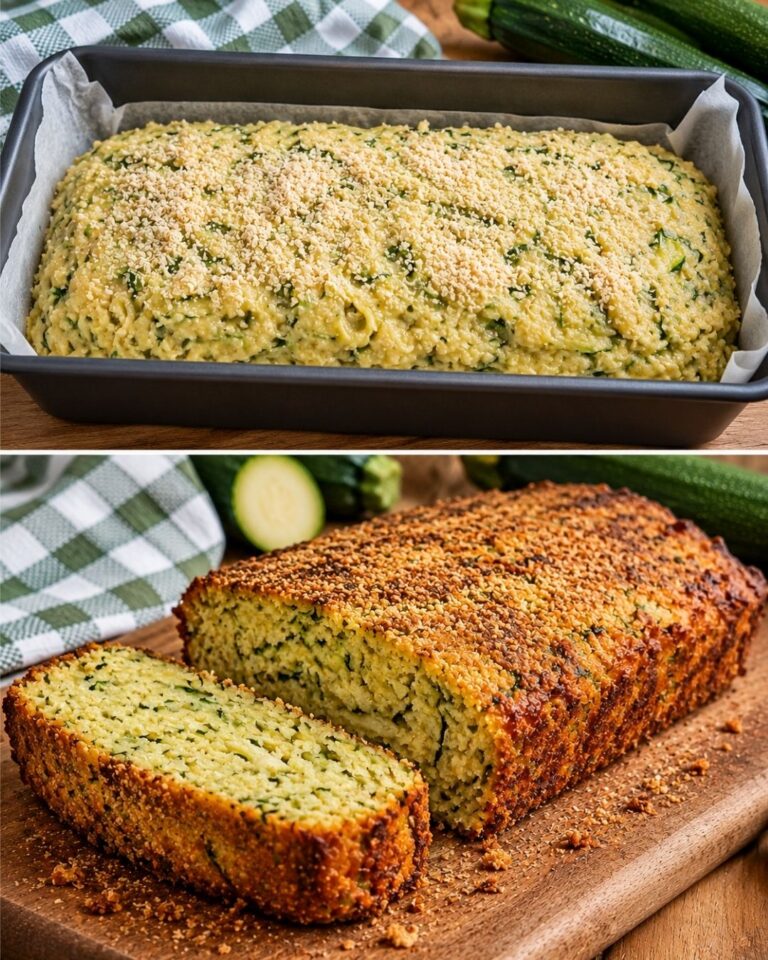
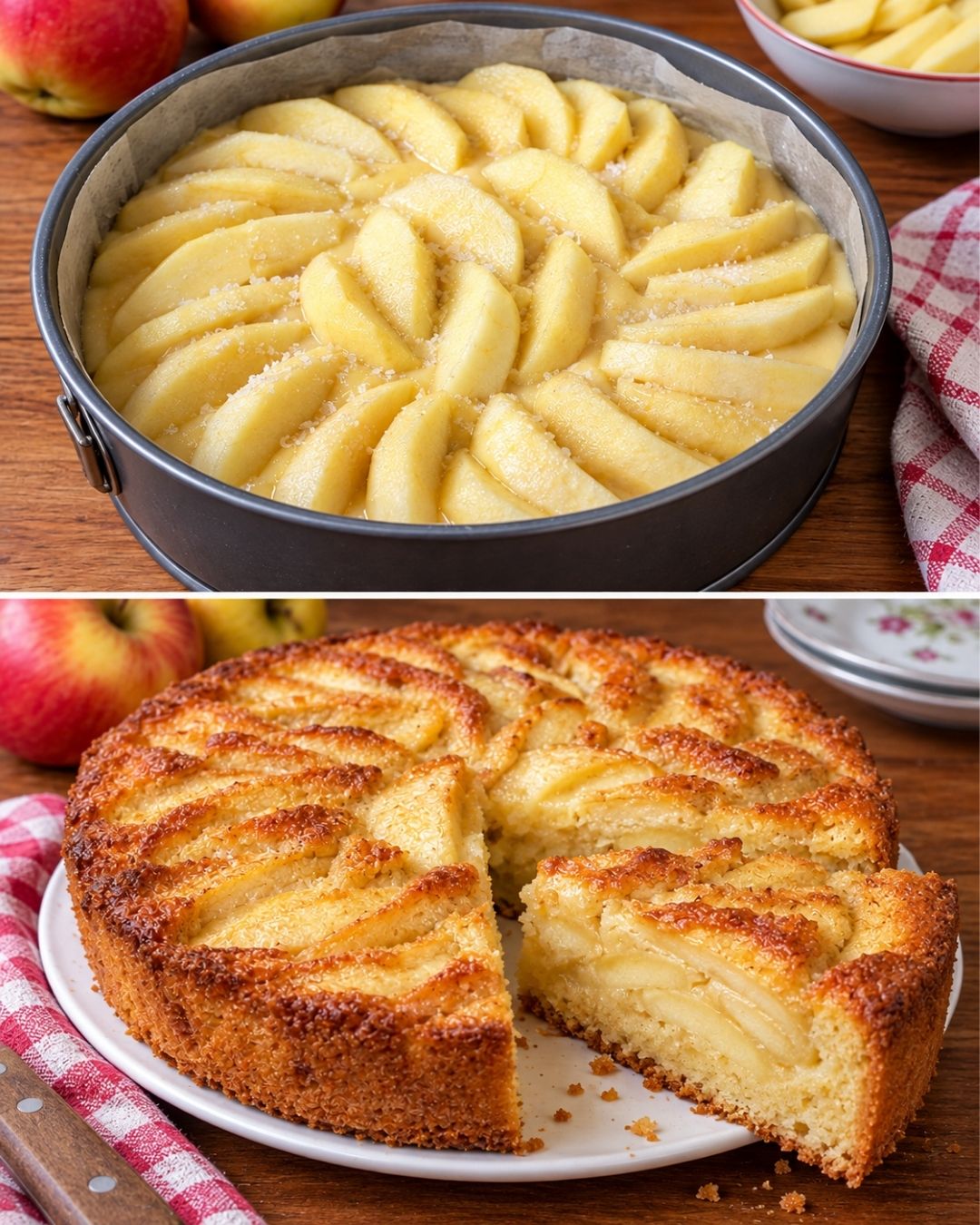
Italian Apple Cake: Easy, Fluffy, Creamy and Irresistible!
# Italian Apple Cake: Easy, Fluffy, Creamy and Irresistible!
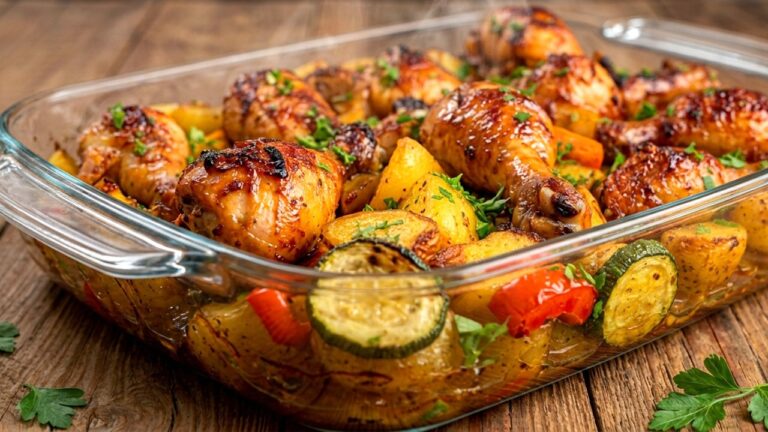
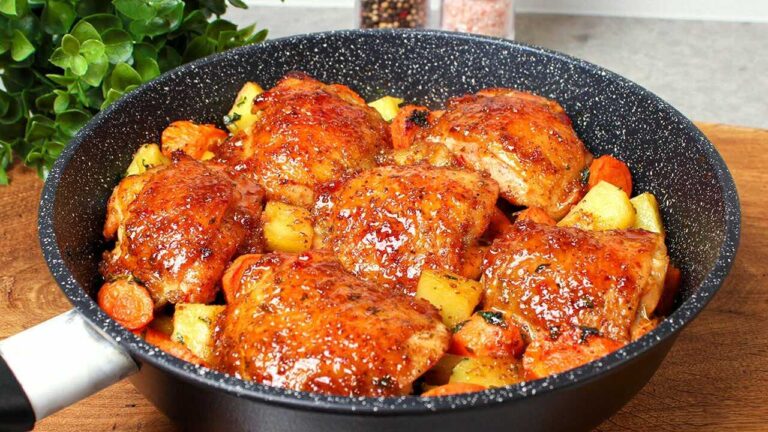
This article develops the recipe in the title with an emphasis on moisture control, texture, even cooking and safe handling. Exact quantities, times and temperatures from the source should be respected, while missing details should not be invented.
## Ingredients and exact baking information from the source
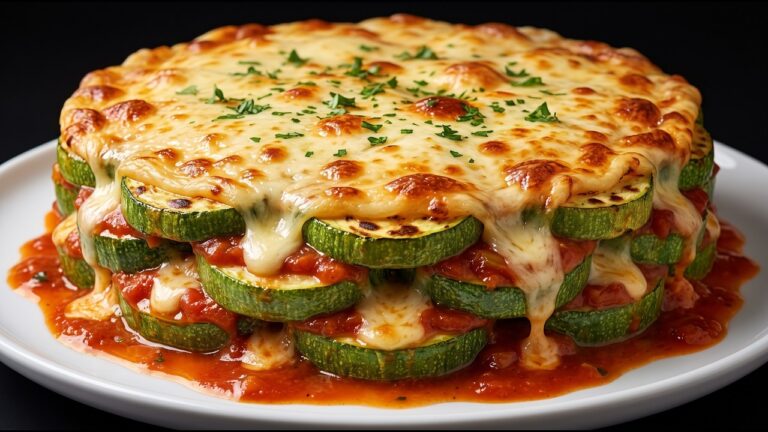
– 2 zucchini
– 1/2 onion
– 2 colored peppers, red and yellow
– fresh parsley
– 1 clove garlic
– 3 eggs
– salt and pepper
– 100 g flour
– extra-virgin olive oil
– 1 large ripe tomato
– grated mozzarella
– dried oregano
The source gives two baking stages. First, bake for 30–35 minutes at 180°C / 360°F. Then return the dish to the oven for an additional 15 minutes.
Prepare zucchini so it does not release excessive water into the casserole. Cut peppers, onion, and tomato evenly. The 3 eggs and 100 g flour provide structure.
Mozzarella can release water, so a well-drained version works better.
After the second baking stage, allow the casserole to rest for a few minutes before slicing.
## Why potatoes and zucchini work well together
Potatoes and zucchini complement each other, but they behave very differently during cooking. Potatoes contribute starch, which helps create structure. Zucchini is more delicate and contains a great deal of water. If that water is not controlled, a fritter, casserole, or layered bake can remain soft in the center.
The most important rule is simple: do not try to fix excess vegetable water by adding a large amount of flour. Remove the water first, then decide whether the mixture actually needs more binder.
On a first attempt, stay as close to the source as possible. Preserve exact quantities where they are given. If a source does not specify an amount, time, or temperature, it is better to explain the technique than invent false precision.
## Preparing zucchini
Young zucchini usually does not need peeling. The skin is tender and helps preserve color and structure.
When zucchini is grated, lightly salt it only if the source technique calls for it. After several minutes it will release liquid. Squeeze it with your hands, in a sieve, or inside a clean kitchen towel.
If zucchini is sliced thinly, patting the surface dry may be enough. Very watery slices can be left for a short time and dried again.
The goal is not to dehydrate the vegetable completely. Zucchini should stay tender, but there should be no pool of free water diluting the mixture.
## Preparing potatoes
Potatoes should be cut or grated to a consistent thickness. Grated potatoes cook faster than thick slices. For layered recipes, thin and even slices are especially important.
If grated potatoes release a great deal of liquid, they can be squeezed lightly. However, avoid washing away all of their natural starch because that starch helps bind the dish.
In recipes with little or no flour, potato starch is particularly useful.
## Eggs as a binder
Eggs provide structure in many fritters and casseroles. Beat them separately with pepper and seasonings before combining them with the vegetables.
If the recipe includes milk, yogurt, ricotta, or cream cheese, mixing those ingredients with the eggs first can create a more even batter.
Egg-based dishes need to be fully set in the center before serving. A golden cheese surface does not automatically mean the interior is cooked.
## Flour, oats, breadcrumbs, and cornflakes
Each dry binder behaves differently. Flour absorbs moisture and adds firmness, but too much produces a heavy, dough-like result.
Oats need a few minutes to hydrate. Breadcrumbs work more quickly. Cornflakes are mainly useful for a crisp coating, so they should be crushed lightly rather than ground into a fine powder if crunch is the goal.
When the source gives an exact amount, keep it. When it does not, add gradually. The mixture should hold together while still clearly tasting and looking like vegetables.
## Cheese and moisture
Ricotta, feta, Philadelphia cream cheese, Parmesan, and mozzarella contain very different amounts of water.
Parmesan is relatively dry and strongly flavored. Feta is crumbly and salty. Ricotta and Philadelphia add creaminess. Fresh mozzarella can contain a lot of moisture.
Drain mozzarella thoroughly. If necessary, pat it dry.
Do not add extra cheese simply because the mixture looks wet. Correct vegetable moisture first.
## Onion, garlic, and peppers
Finely chopped onion distributes more evenly, especially in mixtures that are not cooked for a very long time.
Garlic should be finely minced so there are no harsh concentrated pieces.
Peppers can be cut into thin strips or small dice. If they are sautéed before baking, soften them without turning them into a puree.
## Cooking in a pan
For a large potato-zucchini cake, low to medium-low heat is safer than high heat. Very high heat browns the bottom quickly while potatoes and eggs in the center remain undercooked.
A lid can help during the first part of cooking by trapping heat. Near the end, removing the lid allows steam to escape and helps the surface dry.
Do not turn a large cake too early. Wait until the edges are stable and a spatula can slide under without tearing.
## Baking in the oven
When the source provides a temperature and time, follow them. When it does not, watch the center instead of inventing numbers.
Preheat the oven. In a cold oven, watery vegetables have extra time to release moisture before eggs and flour begin to set.
A wide, moderately shallow layer cooks more evenly than a very thick one.
## Checking doneness
With potatoes, tenderness is the key test. Insert a thin knife or fork into the thickest area. It should pass through without major resistance.
The egg mixture should not be liquid.
For a layered mille-feuille, test the middle rather than relying on crisp edges.
## Creating a crisp surface
Crispness begins before cooking. The less free surface water there is, the easier it is to brown.
Do not stack cooked fritters immediately because trapped steam softens the coating.
Serve yogurt sauces separately. Pouring sauce over a crisp dish long before serving destroys the texture.
## Seasoning
Potatoes and zucchini work well with pepper, garlic, oregano, nutmeg, paprika, parsley, chives, and similar herbs.
With feta, Parmesan, or other salty cheeses, reduce added salt.
Nutmeg is powerful, so a small amount is normally enough.
## Sauces and sides
A yogurt, garlic, and herb sauce balances fried or baked vegetable dishes nicely.
When the source includes yogurt, it can be combined with parsley, dill, garlic, or paprika according to the original recipe.
Keep cold sauces refrigerated until serving.
## Scaling the recipe
Doubling the ingredients does not mean making one cake twice as thick. Use two pans, two baking dishes, or cook in batches.
A thicker layer changes cooking time in an unpredictable way. The surface can be done while the center remains raw.
Keep the thickness similar to the original recipe.
## Resting after cooking
Allow baked or pan-cooked dishes to rest for several minutes. Eggs, cheese, starch, and vegetable juices become more stable.
Cutting immediately can make a properly cooked dish appear wetter than it actually is.
## Storage
Cool leftovers before sealing them in a container. Trapped steam quickly softens browned surfaces.
Refrigerate the dish. Keep sauces separate.
For reheating, a dry skillet, oven, or air fryer restores texture better than a microwave when crispness matters.
## Common mistakes
### Not squeezing zucchini
This is the most common cause of watery results.
### Adding too much flour
The dish becomes heavy.
### Using excessive heat
The surface browns before the center cooks.
### Making the layer too thick
Potatoes remain firm.
### Using very wet mozzarella
It adds extra water.
### Cutting immediately
The structure has not stabilized.
## FAQ
### Do I need to peel zucchini?
Usually not if it is young and tender.
### Can I substitute the cheese?
Yes, but moisture, salt, and melting behavior will change.
### Can I leave out flour?
Only if the particular recipe is designed to hold together without it.
### What should I do if the mixture is watery?
Drain or squeeze the vegetables again before adding more dry binder.
### Can I prepare it ahead?
Vegetables can often be prepared early, but once eggs are mixed in, it is better to cook fairly soon.
### Can leftovers be frozen?
Many cooked fritters and casseroles freeze well, although zucchini becomes softer after thawing.
## Final summary
The best results come from moisture control, even cutting, moderate heat, and patience. Potatoes supply starch and body, zucchini adds tenderness, and eggs and cheese stabilize the mixture. There is no need to invent missing times or temperatures. Faithfulness to the source and solid technique matter more than artificial precision.