If Only I Had Known This Trick Before Wasting Hundreds of Euros on Swiffer Refills
# If Only I Had Known This Trick Before Wasting Hundreds of Euros on Swiffer Refills
This article develops the household or garden tip from the title while keeping the original idea. The safest way to use viral tips is to separate the promise from the practical method: identify the material or problem first, use the mildest suitable approach, and avoid combining products unless the label explicitly says they are compatible.
## Start with the real cause
A cleaning trick works better when the type of dirt is known. Grease, mineral scale, soap residue, mold, food debris, lint, and organic stains are different problems. The same principle applies outdoors: moss, weeds, insects, and nutrient deficiencies require different solutions. A dramatic title may suggest one universal ingredient, but reliable results come from matching the method to the cause.
## Use the mildest method first
Begin with physical cleaning whenever possible. Remove loose debris, vacuum dust, wipe surfaces, clear filters, pull accessible weeds, or scrub gently with a suitable brush. Mechanical removal often solves much of the problem without exposing the material to strong chemicals. If a product is still needed, choose one designed for the surface and follow its label.
## Never mix random cleaners
Household chemicals can react dangerously. Never mix bleach with vinegar, acids, ammonia, or other cleaners. Do not add a second drain product after a chemical drain opener unless the manufacturer explicitly allows it. Good ventilation, gloves when appropriate, and careful rinsing make routine cleaning safer.
## Test surfaces first
A cleaner that works on ceramic may damage natural stone, aluminum, painted metal, acrylic, rubber seals, wood, or coated glass. Test a small hidden area first. Leave it only for the recommended contact time, then rinse and inspect. This is especially important with acidic descalers, peroxide products, abrasive powders, and concentrated homemade mixtures.
## Oven care
Regular light cleaning is easier than waiting for thick burned-on grease. Let the oven cool completely, remove loose crumbs, and wipe fresh splashes before they carbonize. Use a cleaner compatible with the oven lining. Avoid soaking heating elements, fans, sensors, door vents, or electrical parts. Aluminum foil should not block airflow or be placed where the manufacturer prohibits it.
## Mirrors and privacy claims
Simple mirror tests involving a finger, tape, a bandage, or a small object are not reliable ways to determine whether a mirror is one-way or two-way. Construction, lighting, coatings, and installation can all change the appearance. If there is a genuine privacy concern in a hotel or rental, do not rely on a viral test. Contact the property, move to a secure location if necessary, and involve local authorities when there is credible evidence of unlawful surveillance.
## Moss and weeds on paving
Moss and weeds between paving stones are best handled with methods appropriate to the surface and local rules. Manual removal, brushing, joint maintenance, improving drainage, and reducing persistent shade or moisture can help. Avoid pouring unknown concentrated chemicals onto paving, soil, drains, or areas where runoff can reach plants and waterways. For herbicides, use only products legally approved for the intended area and follow the label.
## Mosquito control
Mosquitoes breed in standing water. Empty saucers, buckets, clogged gutters, open containers, and other small water sources regularly. Screens, fans, protective clothing, and registered repellents provide more dependable protection than many scent-based home remedies. A balcony trick may reduce mosquitoes locally, but it cannot guarantee that they disappear within a minute.
## Washing machine maintenance
A washing machine filter can collect lint, coins, hair, and small objects. Before opening it, switch off the machine, consult the manual, and prepare towels or a shallow tray because water may drain out. Some machines have a small emergency drain hose. Clean the filter gently, check the cavity for debris, reinstall it correctly, and confirm there are no leaks.
## Laundry pods
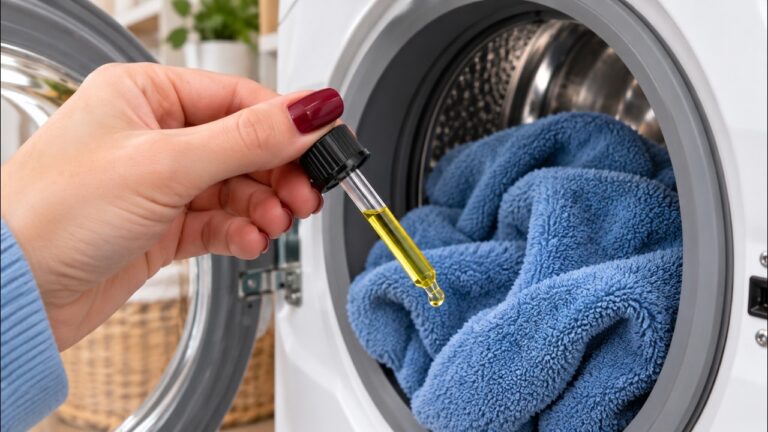
Laundry pods should be used exactly as their manufacturer instructs. Many are designed to go directly into the empty drum before the clothes, not into the detergent drawer, but instructions vary by product and machine. Do not cut or puncture pods. Keep them dry and locked away from children and pets. Using more pods than needed can leave residue rather than improve cleaning.
## Reusable floor-cleaning cloths
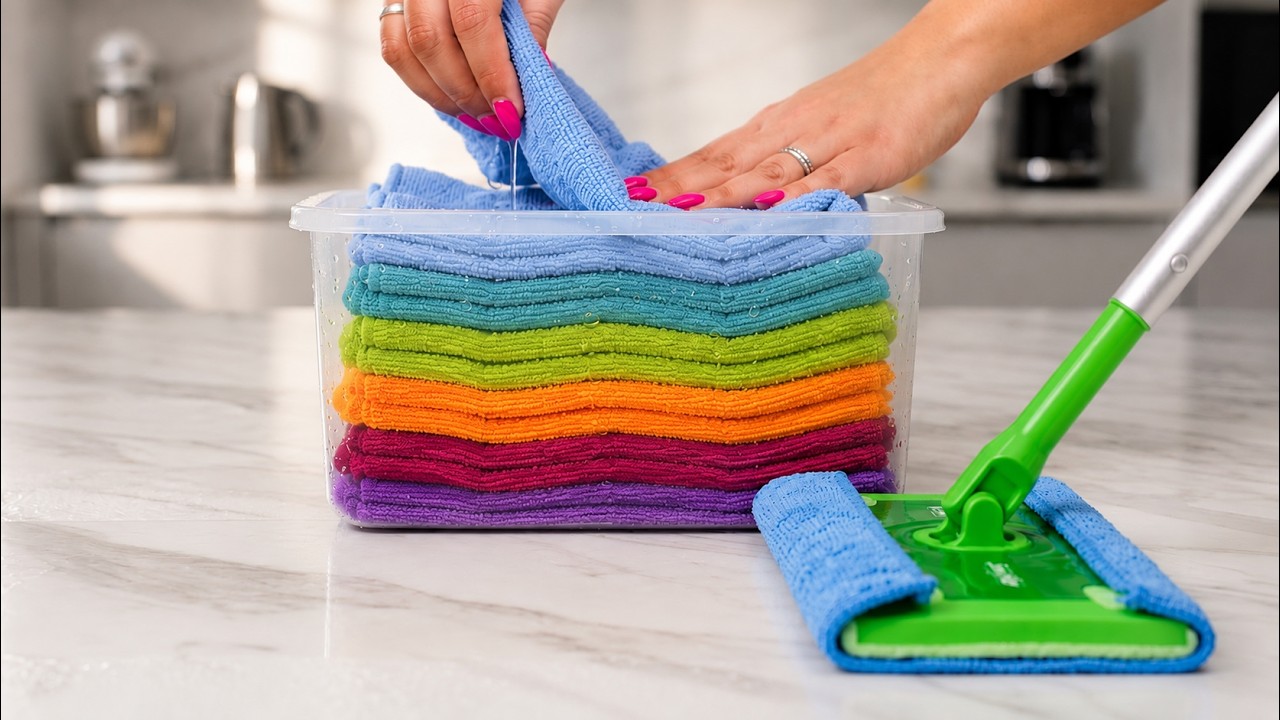
Reusable microfiber cloths can reduce the cost of disposable floor pads. Choose a cloth that fits securely on the mop head and is appropriate for the floor. Do not soak laminate or wood floors. Use only the amount of cleaning solution recommended for the surface, and wash reusable cloths thoroughly after use so dirt and grease are not spread during the next cleaning session.
## Fertilizer claims
A spoonful of a homemade fertilizer cannot literally replace a ton of manure. Manure provides organic matter as well as nutrients, while a liquid or concentrated ingredient has a different composition. For plants, healthy roots, appropriate light, correct watering, and balanced nutrition matter more than a single “miracle” ingredient. Apply fertilizers according to plant needs and avoid concentrated doses on dry roots.
## Measure before adding more
More product is not automatically better. Excess detergent can create residue in laundry and machines. Excess fertilizer can burn roots. Excess cleaner can leave films on floors and glass. Start with the amount recommended by the manufacturer or source and only adjust when there is a clear reason.
## Rinsing and drying
After cleaning, remove residues when the product requires rinsing. Drying is especially important on bathroom surfaces, seals, and metal fixtures because persistent moisture encourages scale, mildew, and odors. On floors, excess water can damage seams and coatings. A clean microfiber cloth often improves the final finish more than adding extra chemicals.
## Ventilation
Ventilate rooms during and after cleaning, especially when using products with strong fumes. Bathrooms also benefit from regular ventilation after showers. Kitchens need ventilation when grease and steam are produced. Reducing humidity helps prevent recurring mold and makes surfaces easier to maintain.
## Storage and labeling
Keep cleaning products in their original containers with labels intact. Do not pour chemicals into drink bottles or unmarked jars. Store laundry pods, concentrated cleaners, and garden products securely away from children and pets. Clear labeling prevents accidental mixing and misuse.
## Common mistakes
Common mistakes include using a strong product before trying a simple method, mixing cleaners, ignoring manufacturer instructions, leaving chemicals on a surface too long, using too much detergent or fertilizer, and assuming a viral result is guaranteed. Another frequent mistake is treating the visible symptom without fixing the cause, such as cleaning mold without reducing moisture or clearing a washer odor without cleaning the filter and seal.
## A practical routine
The most reliable routine is simple: identify the problem, remove loose dirt or debris, choose a compatible method, test a small area, use the correct amount, allow the appropriate contact time, rinse if required, and dry the surface. For appliances, consult the manual before opening filters or panels. For garden problems, protect soil, beneficial organisms, pets, and nearby plants.
## Final perspective
The hook in a title can make a household tip memorable, but the useful part is the method behind it. A good trick saves time or money without damaging the surface, appliance, plant, or environment. Keeping the original idea while applying basic safety and maintenance principles gives a result that is more repeatable and more useful over the long term.